Japan is a country of striking contrasts, where ancient traditions sit beside neon-lit cities, snowy mountains frame serene temples, and exceptional seasons paint the landscape in new colours each year. If you’re planning a trip, asking when is the best time to visit
Japan is a natural question. The answer depends on what you want to experience, but with careful planning,
Travelnam can tailor a visit to suit flora, festivals, weather, and crowds. Here’s a comprehensive guide to help you decide the best time to visit Japan for your interests.
Introduction - Why timing matters
Japan’s climate is diverse, with four distinct seasons and a rainy season that varies by region. The timing of your trip influences everything from cherry blossoms to seating at popular restaurants to train reliability during peak periods. By understanding the seasonal rhythm, you can maximise comfort, value, and unforgettable moments. In this article, we explore the factors that determine when is the best time to visit Japan, from springtime sakura to autumn foliage, winter snows, and summer festivals.
Spring - Cherry blossoms, pleasant temperatures, and crowds
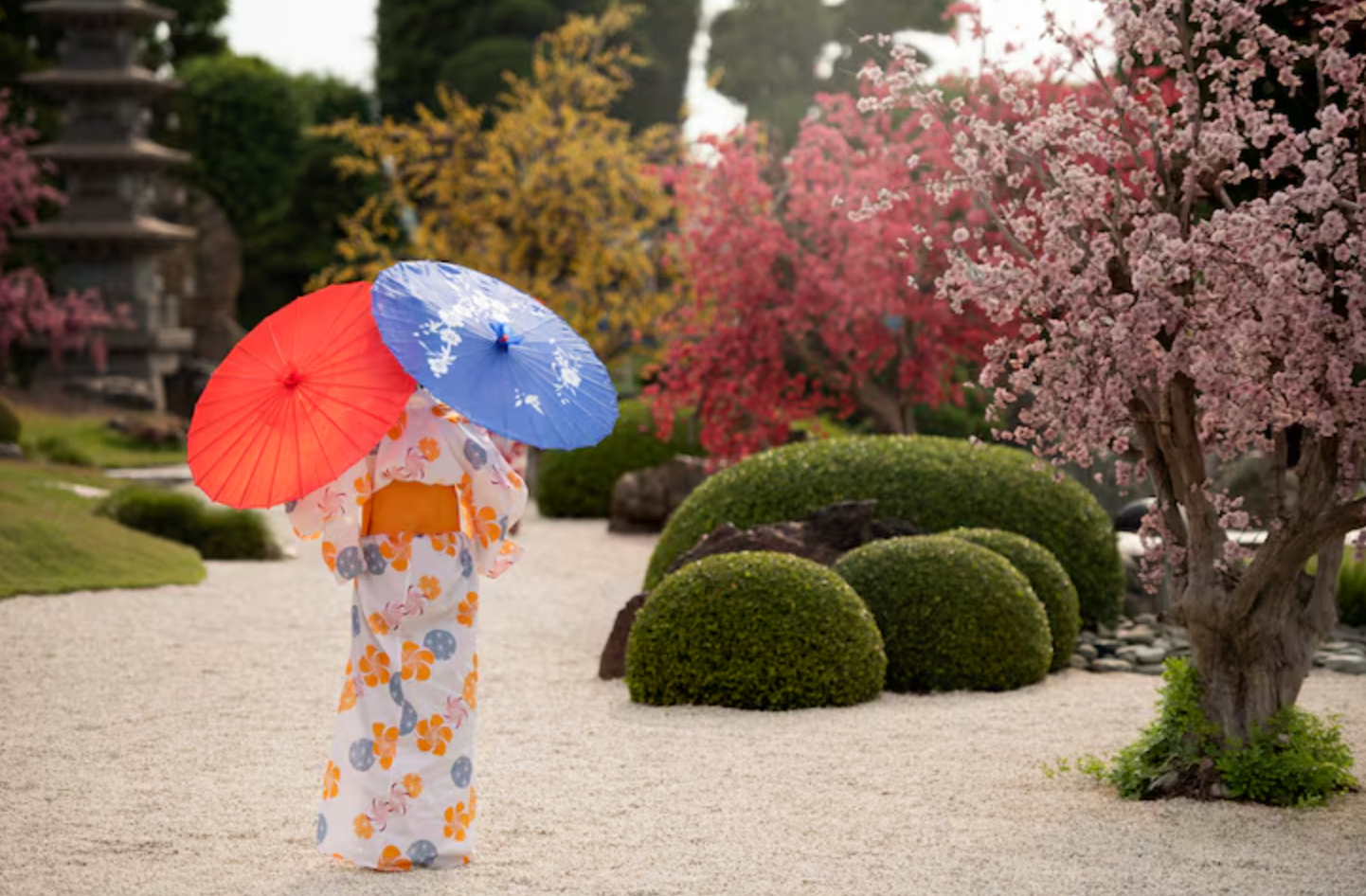
When is the best time to visit Japan for iconic scenery and gentle weather? Spring, especially late March through early May, is a favourite window for many travellers. The nation erupts in cherry blossom (sakura) beauty, with parks and riversides transformed into pink and white canopies.
Key points to consider
- Weather: Mild temperatures, typically ranging from 10°C to 20°C, with a comfortable, low-humidity climate.
- Highlights: Sakura seasons, hanami picnics, spring festivals, and fresh seafood after the winter lull.
- Considerations: Crowds surge during peak sakura weeks, and accommodation and flight prices may rise. If you want quieter experiences, start or end the season or consider less touristy regions like northern Tohoku or higher altitudes.
Summer - Vibrant festivals, heat, and Japan’s coastline
If you’re asking when is the best time to visit Japan and you love culture and energy, summer has much to offer. June through August brings lush landscapes, but it also brings humidity and a rainy season in many areas, especially in June. Major points to consider
- Weather: Hot and humid in many cities, with temperatures often in the mid-30s Celsius in heat waves. Ask about humidity levels in long-distance travel days.
- Highlights: Traditional festivals (matsuri), spectacular fireworks (hanabi), and beaches, alpine routes, and mountain hikes in cooler highland areas like Hokkaido or the Alps.
- Considerations: Book ahead for popular festivals; anticipate crowds and prepare for trains running with delays during typhoon season and rainy spells. Bring lightweight, breathable clothing and rain gear.
Autumn - Colours, comfortable temperatures, and fewer crowds
Autumn is often cited as the best overall time to visit Japan for many travellers. The weather is mild, and nature puts on a dramatic show with autumn leaves. The timing varies by region but typically spans September to November.
Key points to consider
- Weather: Cool mornings and evenings, with daytime temperatures generally between 15°C and 25°C.
- Highlights: Fall foliage (koyo) in parks and gardens, harvest foods, and many rural festivals. It’s an excellent time for scenic train journeys and temple visits without the peak-spring crowds.
- Considerations: Early autumn can still be warm, while late autumn brings more chill. It’s a popular season, so some places sell out, but the crowds are usually more manageable than spring.
Winter - Snowy landscapes, onsens, and skiing
For those seeking a quieter experience or winter sports, winter is an appealing option. Northern regions and high-altitude areas shine, while cities offer a crisp, refreshing atmosphere.
- Weather: Cold, particularly in northern Japan and in the mountains. Expect snow in Hokkaido and the Japanese Alps; coastal areas can be milder.
- Highlights: Skiing and snowboarding in Niseko, Hakuba, and Nozawa Onsen; relaxing onsens (hot springs); winter illuminations and seasonal seafood.
- Considerations: Shorter daylight hours and potential travel delays due to snow. However, the winter scenery, frost, snow-capped peaks, and hot springs, creates a magical setting.
Regional nuances - Climate variations across Japan
Japan’s geography means weather can vary dramatically from region to region. For example:
- Hokkaido: Cool summers, snowy winters, excellent for powder snow and winter festivals.
- Tohoku and the Sea of Japan coast: Distinct seasons, with strong autumn colours and effective seafood experiences.
- Kansai (Kyoto, Osaka): Pronounced spring bloom and autumn colour seasons; humid summers.
- Kyushu and Okinawa:
Warmer winter climate, subtropical influences; typhoon risk in late summer.
Understanding these nuances helps you fine-tune your travel plan around when is the best time to visit Japan for your intended activities.
Practical planning tips - Making the most of peak and off-peak times
Book in advance for peak seasons: Cherry blossom in spring and autumn foliage attract many visitors.
Consider shoulder seasons: Late March to early April or late October to early November often offer pleasant weather with fewer crowds than peak dates.
Check regional calendars: Local festivals, farmers markets, and seasonal foods can add a lot to your itinerary.
Transit and accommodation: Rail passes like the Japan Rail Pass can be cost-effective, but check coverage and validity for your itinerary. Reserve seats during busy periods.
Pack smart: Layered clothing is a must due to varying temperatures; bring rain gear for rainy or typhoon-prone months.
Final thoughts - Choosing your own best time to visit Japan
When is the best time to visit Japan, ultimately, the best time to visit Japan depends on what you want from the trip. If you crave iconic sakura and vibrant festival scenes, spring is unbeatable. If you prioritise comfortable temperatures and fall colours, autumn may be ideal. For winter sports or serene onsens, winter shines. And for lively summer events and coastal adventures, summer is your stage. By aligning your travel goals with the seasonal rhythm and regional nuances, you can determine the best time to visit Japan for you.
When is the best time to visit Japan? The answer is personal and seasonal. Consider what experiences you value most, check regional weather patterns, and plan around key festival dates and popular attractions. With thoughtful timing, your Japan journey with
Travelnam
can be unforgettable, well-paced, and richly rewarding.